The Cortisol Scroll

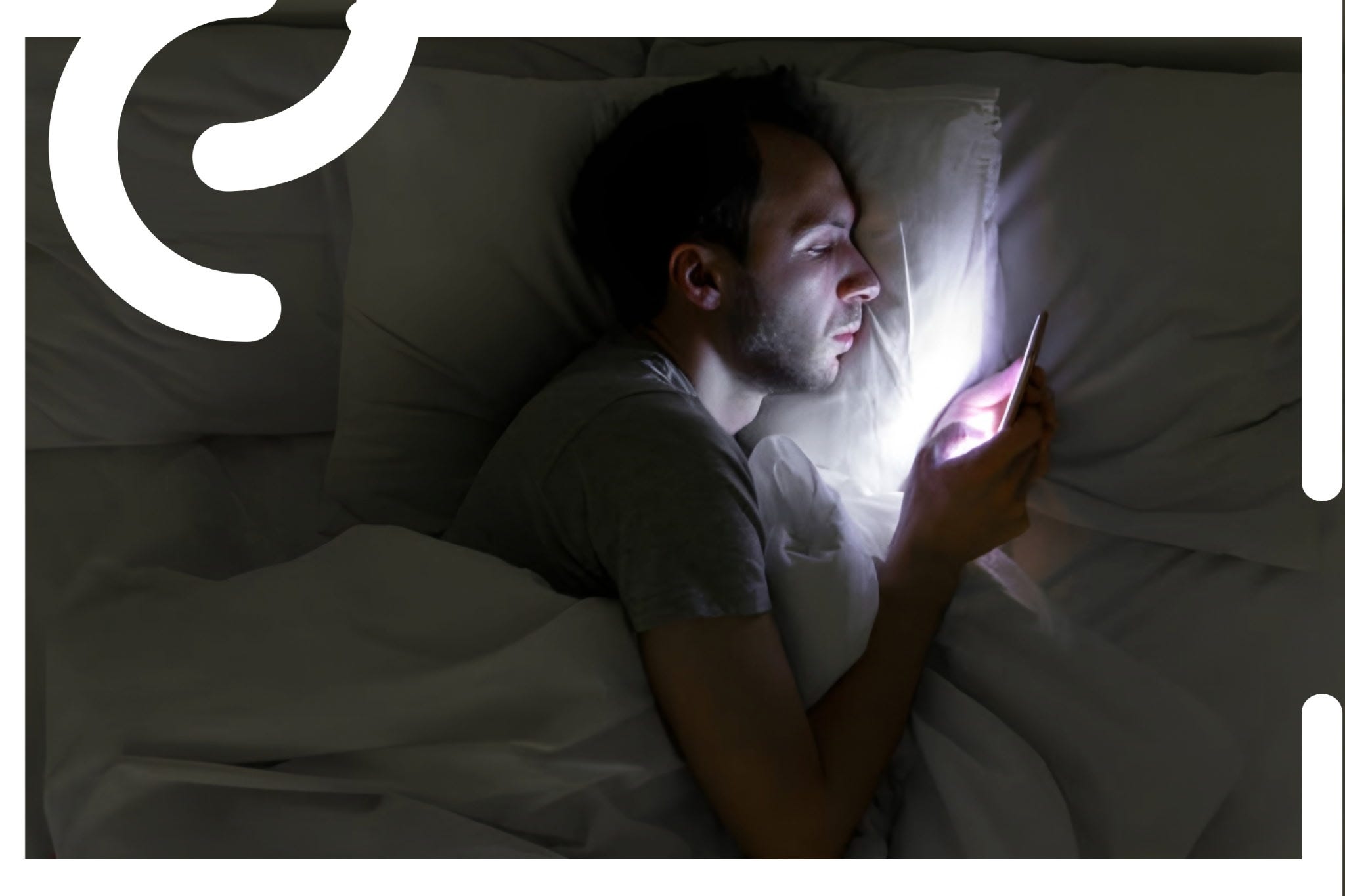
You know that moment when you pick up your phone to check the time and twenty minutes later you’ve checked multiple social, news, email, and text apps and are deep into something that’s making you anxious, angry, or sad—and you’re not even sure how you got there? Or when you clear your inbox before bed just to feel caught up, only to wake up to seventeen new messages that arrive before you even get out of bed?
I spent years in that state, not just once in a while but continuously. Every morning, I’d wake up and grab my phone, and within thirty seconds, the tension would begin. A fear-inducing headline, a Slack message that wasn’t urgent, or a quote taken out of context to provoke anger, each one triggered my stress. By the time I finished making coffee, my stress response had been activated multiple times for things I couldn’t actually control.
I slept horribly. I had difficulty focusing. I felt anxious and depressed. It took me longer than it should have to connect the dots.
What’s Actually Happening
Once I began paying attention, I realized what this felt like physically: shallow breathing, a clenched jaw, and my shoulders creeping toward my ears. It’s similar to the sensation I experience when someone cuts me off in traffic, except now I’m doing it to myself, voluntarily, dozens of times daily.
My body doesn’t know the difference between a real threat and a manufactured one. It doesn’t distinguish between actual danger and the carefully designed anxiety of a news cycle that profits from keeping me activated.
That response is cortisol—a hormone designed to help us escape predators. Tens of thousands of years ago, when a sabertooth tiger chased us, cortisol flooded our system, shutting down digestion, immune function, and anything else that wasn’t essential for survival. The system was built for threats that resolve in minutes. When cortisol stays elevated for months, it stops protecting us and starts breaking us down. A study from the Framingham Heart Study found that people with high cortisol had lower brain volume and worse memory, even in healthy adults in their forties. Prolonged exposure damages the hippocampus—the part of the brain responsible for learning and memory.
Throughout most of last year, I realized I struggled to maintain complex thoughts. I would begin planning something, but quickly lose focus. When I sat down to write, I found myself reaching for my phone repeatedly. I was in a constant stress response, all day long, yet I expected myself to remain focused and alert.
The Trap
Here’s the problem: these apps are intentionally created to exploit us. They are built to convert internal feelings—such as boredom, anxiety, and loneliness—into habits. Each time I scroll, I get a small dopamine boost. Every notification makes me feel a sense of urgency. The platform designers have spent years developing ways to make these behaviors addictive. This encapsulates the attention economy: my attention is a commodity, and the business model relies on keeping me hooked.
Here’s what I only recently realized: those dopamine hits aren’t without cost. Constantly flooding your brain with dopamine lowers your baseline levels. Dr. Anna Lembke describes this as the “dopamine deficit state”—your brain seeks balance by making you feel worse when you’re not scrolling. This is the low-level anxiety when your phone is out of reach, and the restlessness that pushes you to pick it up again. The cycle continues: dopamine imbalance leads to increased cortisol and stress, prompting you to seek relief again. In truth, scrolling doesn’t help you relax; it just makes you more tense.
I’m not fighting my own weakness. I’m fighting a multi-billion-dollar industry whose sole purpose is to keep me scrolling. And when I let algorithms dictate where my attention goes, I’m not in control of my own life—I’m on autopilot, reacting to whatever someone else decides I should see.
The Cost
And here’s the part I’m embarrassed to admit: I tell myself this is how I show I care. That constant engagement equals moral responsibility. That if I’m not consuming every crisis, I’m being apathetic.
But when I’m honest, what am I actually doing with all this information?
I’m not organizing anything or showing up for anyone; I’m just feeling agitated. I mistake others’ panic for solidarity. Meanwhile, those close to me, my wife, my kids, my friends, get a version of me that’s only partly present, with my body there but my mind elsewhere. I scroll under the table and check my phone during conversations, absorbing strangers’ anxiety online while ignoring the people I love right in front of me.
And I’ve noticed something else: I’ve never made a good decision from that state. Not one.
What I’ve Changed
So I’ve started making some changes. I want to be honest about how hard they are.
I moved my phone out of my bedroom. This one actually stuck. Just that change transformed my mornings. I’m not furious before I’m even awake.
I set time limits on apps and blocked them between 9 PM and 7 AM. Most days, I honor this. On some days, I find myself typing the password to override the limit, justifying it for some apparent reason. The habit is that deep.
I don’t look at my phone until I’m about to start work. This one I fail at regularly. But on the days I manage it, I notice the difference in my body. There’s a window in the morning where I can actually think, and I’ve learned that once I open the phone, that window closes.
I read the news once a day now. I scan headlines and read something in detail only if I’m genuinely interested, not just because it’s framed a certain way. Most news is noise, speculation about things that haven’t happened yet and might not.
The Harder Admission
The hardest part isn’t the discipline. It’s the identity. I built a story that staying informed was part of being responsible. But underneath that was something harder to admit: I was afraid of what I’d feel if I just stopped. The phone wasn’t just feeding me information; it was protecting me from silence.
Alan Watts wrote in The Wisdom of Insecurity, “If my happiness at this moment consists largely in reviewing happy memories and expectations, I am but dimly aware of this present moment.”
I was never truly in the moment. I was always elsewhere—caught up in the outrage of the last post or the anxiety of what might happen next. I wasn’t living true to my values; instead, I was driven by whatever caught my attention next.
Now I try to do things that might actually matter. I speak to my neighbors. I support my friends and family. I show up for my community. I financially support causes I care about and contact my political representatives. I don’t know how much this moves the needle, but it affects me differently than endless consumption. These actions seem like genuine choices, not compulsions.
I still pick up my phone when I’m bored. I still get pulled into threads that leave me feeling worse. But I’m starting to see the pattern more clearly.
Where to Start
If you recognize yourself in any of this, here’s where I’d start:
Notice what’s happening in your body. Before you try to change anything, just pay attention. Where do you feel it when you scroll? Chest? Jaw? Shoulders? You can’t interrupt a pattern you don’t see.
Protect your mornings and your nights. Move the phone out of your bedroom tonight, not tomorrow. You won’t scroll before sleep, won’t reach for it at 3 AM, and won’t start the day already activated.
Introduce friction. As James Clear states in Atomic Habits, you don’t reach your goals by your ambitions alone; you fall back on the strength of your systems. Implement app time limits and block notifications. It’s not about resisting willpower; it’s about creating an environment that encourages the person you aim to become.
Find one thing that actually matters to you and do it. Donate to an organization. Show up for a neighbor. Write to your representative. These aren’t substitutes for staying informed; they’re what being informed is meant to lead to.
And finally, expect to fail. I still override my own limits. I still reach for my phone when I’m uncomfortable. The goal isn’t perfection. It’s noticing the pattern sooner and returning to myself faster.
The real test isn’t whether I’m informed about everything. It’s whether I can think clearly enough to act when it matters.
In recent months, I woke up without my phone in the bedroom. I made coffee and sat quietly, reading something I had intended to finish. When I finally opened my laptop, I felt like I had a full tank of energy for the first time in months.
That’s what I’m focusing on protecting now: not my information intake, but my ability to be more present.